Essential Keyboard Stands and Benches
A stable stand and a comfortable bench make practice, performance, and home playing easier. Common options include X-style stands, which fold for storage; Z-style stands, which offer a broader base; and table-style or column stands for particular room layouts and stage setups. Check the stand's height range, weight capacity, footprint, locking mechanism, and whether it supports one keyboard or a double-tier arrangement. A padded bench with adjustable height can help players maintain a comfortable posture, while a fixed-height bench may suit a dedicated practice space. Look for non-slip feet and secure contact points to reduce movement during use. Before choosing, compare the instrument's dimensions and weight with the stand specifications, and consider how often you will fold, carry, or reposition the setup.
- Compare stand type, dimensions, and load rating
- Choose adjustable height for flexible setups
- Consider folding design and secure locking
Sustain, Expression, and Control Pedals
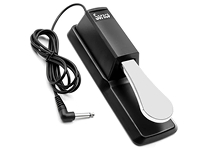
Pedals add hands-free control to digital pianos, keyboards, and synthesizers, but their functions and connections vary. A sustain pedal lets notes continue after keys are released; expression and volume pedals can adjust selected effects or output in real time. Some instruments support a simple switch pedal, while others accept a continuous controller or a multi-pedal unit. Check the connector type, polarity support, cable length, and the instrument manual's compatibility guidance before buying. A polarity switch can help a sustain pedal work correctly with different keyboard designs, but it does not replace checking the model requirements. Players using a pedal for performance may also value a non-slip base and a sturdy housing. Yamaha, Roland, Korg, and Casio keyboards have model-specific accessory requirements, so match the pedal to the instrument rather than relying on brand alone.
- Match pedal function to playing needs
- Check connector, polarity, and model compatibility
- Look for a stable base and durable construction
Power Supplies, Cables, and Connectivity
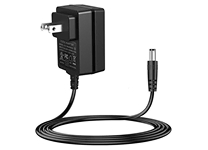
The right power and connection accessories help a keyboard integrate with a practice space, recording setup, or live rig. Use an AC adapter only when its voltage, current, polarity, plug size, and connector match the instrument's specifications; an incorrect supply can cause operational problems. USB cables may connect compatible keyboards to computers or mobile devices for MIDI control, while MIDI DIN cables link instruments and other MIDI equipment. Audio cables carry sound to headphones, mixers, amplifiers, or speakers, with the required plug type depending on the instrument's outputs. Check whether the keyboard has a USB-B, USB-C, or other port and whether it supports the connection you need. When shopping through Ubuy, product descriptions can help you explore international accessory options; confirm specifications against your keyboard manual before purchasing.
- Verify adapter electrical specifications carefully
- Choose cables for the correct port and purpose
- Distinguish MIDI connections from audio connections
Keyboard Cases, Covers, and Transport Gear
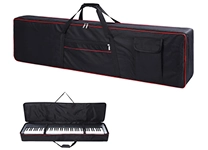
A suitable case or cover can help protect an instrument from dust, scuffs, and handling during transport. Soft gig bags are generally lightweight and easier to carry, while hard cases provide a rigid shell for setups that need more structural protection. Padded keyboard covers are useful for keeping dust away between practice sessions, but they are not substitutes for a transport case. Measure the keyboard's length, depth, and height, including attached controls or protruding components, and compare those measurements with the case's internal dimensions. Check padding thickness, handle placement, shoulder straps, zipper quality, and pockets for cables or pedals. A snug fit limits excess movement, while sufficient clearance helps avoid pressure on knobs and keys. If the instrument moves between home, rehearsal, and performance spaces, consider both carrying comfort and storage needs.
- Measure the instrument before selecting a case
- Choose soft or rigid protection for your use
- Check padding, handles, and accessory storage
Replacement Parts and Keyboard Maintenance
Replacement parts can restore a keyboard's function or help maintain a dependable playing setup. Depending on the instrument, commonly sought items include keys, knobs, buttons, key contacts, pedal components, power adapters, and connector parts. Internal repairs may require model-specific components and technical skills; consult the manufacturer's documentation or a qualified service professional when a repair involves opening the instrument. For routine care, use a soft, dry cloth on exterior surfaces and follow the instrument maker's cleaning guidance. Avoid applying liquids directly to keys, controls, or openings. Keep cables neatly stored, inspect plugs for wear, and check stands and pedal connections periodically. When looking for parts through Ubuy, compare model numbers, component descriptions, and fit information carefully. Similar-looking parts are not necessarily interchangeable, even across keyboards from the same manufacturer.
- Search by exact instrument model number
- Confirm fit before ordering replacement components
- Follow manufacturer guidance for cleaning and repairs
Select the Right keyboard instrument accessories parts
Start with the keyboard's make, model, dimensions, connection ports, and the way you plan to use it. A home player may prioritize a compact stand, sustain pedal, headphones, and dust cover; a performer may need a folding stand, transport case, spare cables, and pedals suited to the instrument's control inputs. For studio use, check USB or MIDI compatibility and the audio connections needed for your recording equipment. Compare materials, adjustability, portability, and construction, then review product specifications rather than relying only on broad category labels. Accessories designed for a particular instrument may offer a closer fit, while universal designs still require careful size and connector checks. Ubuy can be a place to discover international keyboard accessories and parts; evaluate each item's specifications and intended compatibility for your setup before making a selection.
- Begin with model, measurements, and intended use
- Prioritize compatibility over appearance alone
- Compare portability, materials, and key specifications